What Is Branding in Marketing and Why Does It Matter in 2026?
Introduction
Have you ever wondered why some businesses become memorable while others struggle to get attention, even when they offer great products or services?The answer often comes down to branding.In today’s competitive digital world, customers do not only buy products; they connect with brands they trust and recognize. A strong brand helps businesses create a unique identity, build customer relationships, and stand out from competitors.So, what is branding in marketing? Branding is the process of creating a unique identity, message, and experience that shapes how people see and remember a business. It helps companies develop a clear image, improve customer trust, and create long-term relationships with their audience.Understanding the importance of branding in marketing is essential for businesses that want to grow in today’s competitive market. A strong branding approach allows companies to increase brand recognition, build loyalty, and create a powerful connection with customers.In 2026, businesses need an effective branding strategy for businesses to stay ahead of competitors. With increasing competition, AI-powered marketing, and changing customer expectations, companies need more than just a good product. They need a brand that people can trust, remember, and connect with.A successful brand focuses on brand identity and brand awareness, including visual elements, communication style, customer experience, and the overall perception people have about a business.In this guide, I will explain what branding means, why it matters in marketing, the key elements of a successful brand, the difference between branding and marketing, and how businesses can build a stronger brand presence in 2026.
What Is Branding in Marketing?
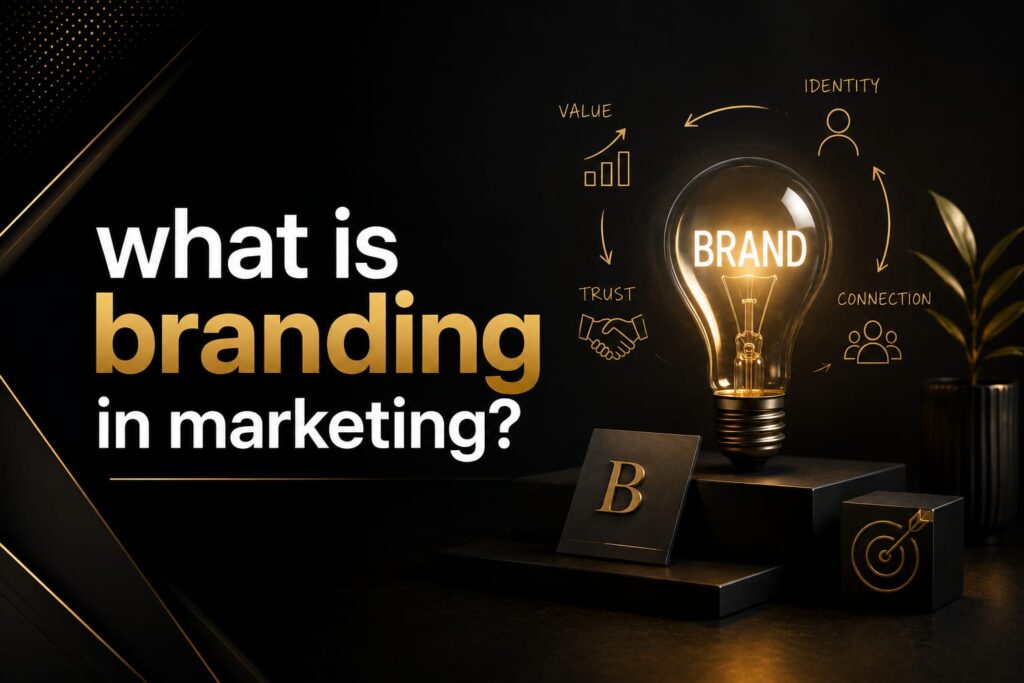
What is branding in marketing? It refers to the process of creating, developing, and managing a business identity that helps customers recognize, remember, and trust a company.
A strong branding strategy for businesses allows companies to create a unique position in the market and build meaningful relationships with their audience.Many people think branding is only about creating a logo or choosing brand colors.
However, branding goes much deeper than visual design. It includes every element that shapes how customers see, feel, and interact with a business.
A successful brand includes important elements such as:
- Brand name
- Logo and visual identity
- Brand voice
- Customer experience
- Company values
- Marketing messages
- Reputation
These elements work together to improve brand identity and brand awareness, helping businesses become more recognizable and memorable to customers.
For example, when people think about brands like Apple or Nike, they immediately associate them with specific feelings, qualities, and experiences. This emotional connection is created through effective branding and a clear brand strategy.
Understanding the importance of branding in marketing helps businesses realize that branding is not just about looking professional; it is about building trust, creating loyalty, and standing out from competitors.
Simply put, branding helps answer one important question:
Why should customers choose your business instead of someone else?
It is also important to understand the difference between branding and marketing. Branding focuses on building a company’s identity and long-term customer relationships, while marketing focuses on promoting products or services and attracting customers.
Why Is Branding Important in Marketing?

A strong brand can completely change how customers view a business. It helps companies build credibility, attract the right audience, and create long-term relationships.
Here are some important reasons why branding matters in marketing.
Branding Builds Customer Trust
Trust is one of the biggest factors behind purchasing decisions.Customers are more likely to buy from businesses that look professional, communicate clearly, and provide consistent experiences.
Strong branding creates confidence by showing customers that a business understands its audience and delivers value.For example, consistent colors, messaging, website design, and customer service help people feel familiar with a brand.
When customers trust a brand, they are more likely to:
- Make repeat purchases
- Recommend the business to others
- Become loyal customers
Branding Helps Businesses Stand Out
Almost every industry today is highly competitive.Many businesses offer similar products or services, so standing out can be challenging.This is where branding becomes powerful.A strong brand helps communicate what makes your business different.
It highlights your unique value and gives customers a reason to choose you over competitors.Your brand personality, story, and customer experience can become your biggest competitive advantage.
Branding Creates Emotional Connections
People do not always make buying decisions based only on logic. Emotions also play a major role.Successful brands create emotional connections by understanding their customers’ needs, problems, and goals.
For example:
- Nike connects with customers through motivation and achievement.
- Apple connects with customers through innovation and creativity.
A strong emotional connection can turn regular customers into loyal brand supporters.
Key Elements of Successful Branding
Building a powerful brand requires several important elements working together.
Brand Identity
Brand identity is how a business presents itself visually and creatively.
It includes:
- Logo
- Colors
- Typography
- Design style
- Brand guidelines
A consistent brand identity helps customers recognize your business across different platforms.Whether someone visits your website, sees your social media post, or receives an email, your brand should feel familiar.
Brand Voice and Messaging
Every brand has a personality.Some brands sound professional and formal, while others use a friendly and casual communication style.Your brand voice defines how you communicate with your audience.
A strong brand message should be:
- Clear
- Consistent
- Easy to understand
- Relevant to customers
Good messaging helps customers understand what your business offers and why it matters.
Customer Experience
Branding is not only about how a business looks. It is also about how customers feel when interacting with it.
A positive customer experience includes:
- Easy website navigation
- Helpful customer support
- Quality products or services
- Smooth communication
Every customer interaction shapes your brand reputation.
Brand Positioning
Brand positioning explains where your business stands in the market.
It helps customers understand:
- Who you serve
- What makes you different
- Why they should choose you
A clear brand position makes marketing campaigns more effective and attracts the right audience.
How Has Branding Changed in 2026?

The digital landscape is changing quickly, and branding strategies are evolving with it. Understanding what is branding in marketing has become more important than ever because businesses need to create meaningful connections with customers in a highly competitive online world.In 2026, a successful branding strategy for businesses is not only about having a professional logo or attractive visuals.
It is about creating a strong identity, improving customer experiences, and building long-term trust.Here are some important branding trends businesses should understand in 2026.
AI-Powered Personalization
Artificial intelligence is helping businesses create more personalized customer experiences. Modern brands are using AI tools to understand customer behavior and improve their marketing efforts.
Brands can now use customer data to deliver:
- Personalized recommendations
- Better communication
- More relevant content
Customers expect brands to understand their needs, making personalization a key part of modern branding. This approach also supports the importance of branding in marketing by helping businesses create stronger relationships with their target audience.
Social Media Branding
Social media has become one of the most powerful tools for building brand identity and brand awareness.Businesses are no longer just promoting products.
They are creating communities, sharing stories, and building conversations with their audience.A strong social media presence helps brands improve recognition and create a consistent image across different platforms.
Successful brands focus on:
- Authentic content
- Customer engagement
- Storytelling
- Building relationships
Authenticity and Transparency
Modern customers want to support brands that are honest and authentic. They want to connect with businesses that have clear values and communicate openly.
Businesses that maintain transparency can build stronger relationships and improve customer loyalty.Understanding the difference between branding and marketing is also important here.
Marketing focuses on promoting products and services, while branding focuses on creating trust, reputation, and emotional connections with customers.
People want to know the story behind a brand, not just what it sells. That is why authenticity has become a key part of successful branding in 2026.
Branding vs Marketing: What Is the Difference?
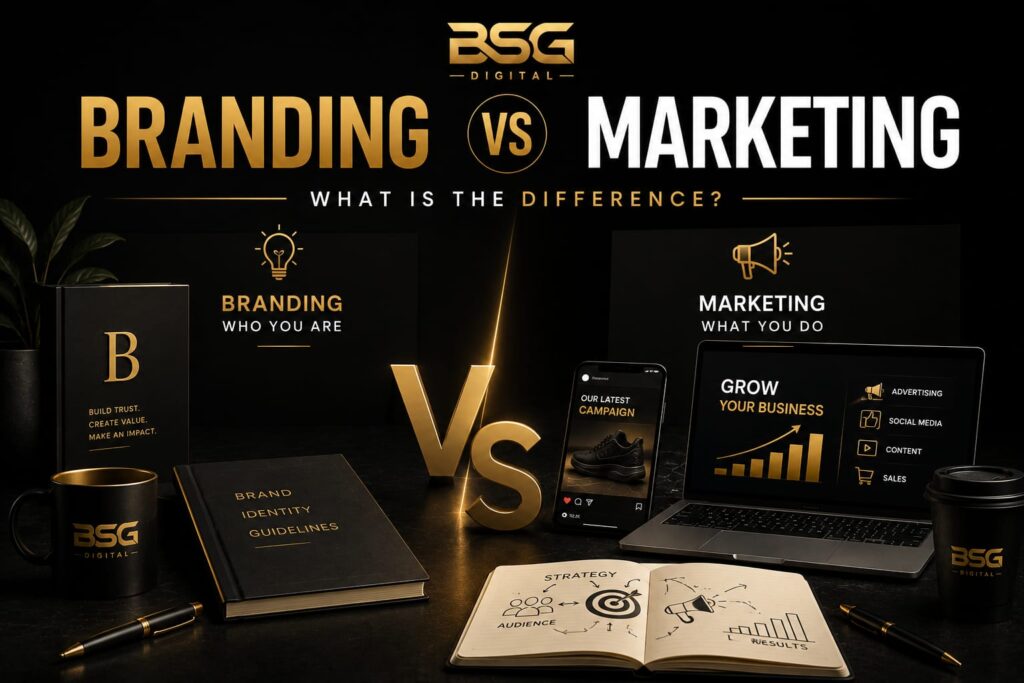
Although branding and marketing are connected, they serve different purposes in business growth. Understanding what is branding in marketing helps businesses create a strong identity and build meaningful customer relationships.
Branding focuses on creating a unique brand identity and brand awareness, while marketing focuses on promoting products or services and reaching the right audience.A successful branding strategy for businesses helps build trust and long-term loyalty.
Think of it this way:
Branding answers:
“Who are you as a business?”
Marketing answers:
“How will you reach your customers?”
Understanding the difference between branding and marketing helps businesses use both strategies effectively. Branding builds trust, while marketing spreads the message.
Common Branding Mistakes Businesses Should Avoid

Understanding what is branding in marketing is important, but businesses also need to avoid common mistakes that can weaken their brand image.
Some common branding mistakes include:
- Focusing only on logo design instead of building a complete brand identity and brand awareness
- Changing brand messages frequently without a clear branding strategy for businesses
- Ignoring customer feedback and losing trust
- Copying competitors instead of creating a unique brand position
- Not adapting to market changes and customer expectations
A strong understanding of the importance of branding in marketing helps businesses create consistency, trust, and long-term growth. Knowing the difference between branding and marketing also allows companies to build a stronger strategy for success.
Frequently Asked Questions (FAQs)
What is branding in marketing with an example?
Branding in marketing is the process of creating a unique identity for a business. For example, Apple’s branding focuses on innovation, simplicity, and premium experiences.
Why is branding important for businesses?
Branding helps businesses build trust, attract customers, improve recognition, and create long-term loyalty.
Is branding only about a logo?
No. A logo is only one part of branding. Branding also includes messaging, customer experience, values, and reputation.
How does branding help increase sales?
Strong branding builds customer trust and makes people more likely to choose your products or services.
Conclusion
Branding is one of the most important parts of modern marketing. But what is branding in marketing and why does it matter for businesses today? Branding is the process of creating a strong identity, building customer trust, and developing meaningful relationships with your audience.
Understanding the importance of branding in marketing helps businesses create a unique position in a competitive market. A successful branding strategy for businesses focuses on consistency, authenticity, and delivering valuable customer experiences.
In 2026, businesses cannot rely only on products or services. They need a strong brand identity that communicates value, builds recognition, and creates emotional connections. A clear brand identity and brand awareness help customers remember and trust your business.
Understanding the difference between branding and marketing is also essential. While marketing helps promote your products or services, branding builds the long-term reputation and relationship behind your business.
Whether you are a startup or an established company, investing in branding can help you stand out from competitors and achieve sustainable growth. A strong brand is not created overnight; it is built through consistency, authenticity, and a deep understanding of your customers.


