Is Branding Only a Logo? Here’s What It Really Means
Introduction
Many people ask, “Is branding only a logo?” I used to hear this question often, especially from new business owners. It’s easy to assume that a professional-looking logo is all a business needs. While a logo is important, it tells only a small part of the story.
When I look at successful businesses, I notice something interesting. People don’t stay loyal because of a logo alone. They return because they trust the business, enjoy the experience, and connect with its values. That’s why understanding branding beyond a logo matters. Once I explain how branding differs from logo design, many business owners begin to see their company in a completely new way.
What You’ll Learn
- The difference between a logo and a brand
- Why a logo alone cannot build customer trust
- The main elements of a strong brand
- Common branding mistakes I often seeWhat Does a Logo Actually Do?
- A logo has one main job: helping people recognize a business.
- It appears on websites, business cards, packaging, and social media profiles. A good logo is simple, memorable, and easy to identify.
- However, even the best logo cannot answer important questions like:
- Can I trust this business?
- Does it deliver quality?
- Will I receive good customer service?
- Does this company share my values?
- Those answers come from branding, not from the logo itself.
- Simple ways to build a memorable brand
What Does a Logo Actually Do?
A logo has one main job: helping people recognize a business.
It appears on websites, business cards, packaging, and social media profiles. A good logo is simple, memorable, and easy to identify.
However, even the best logo cannot answer important questions like:
- Can I trust this business?
- Does it deliver quality?
- Will I receive good customer service?
- Does this company share my values?
Those answers come from branding, not from the logo itself.
Branding Is Bigger Than Visual Design
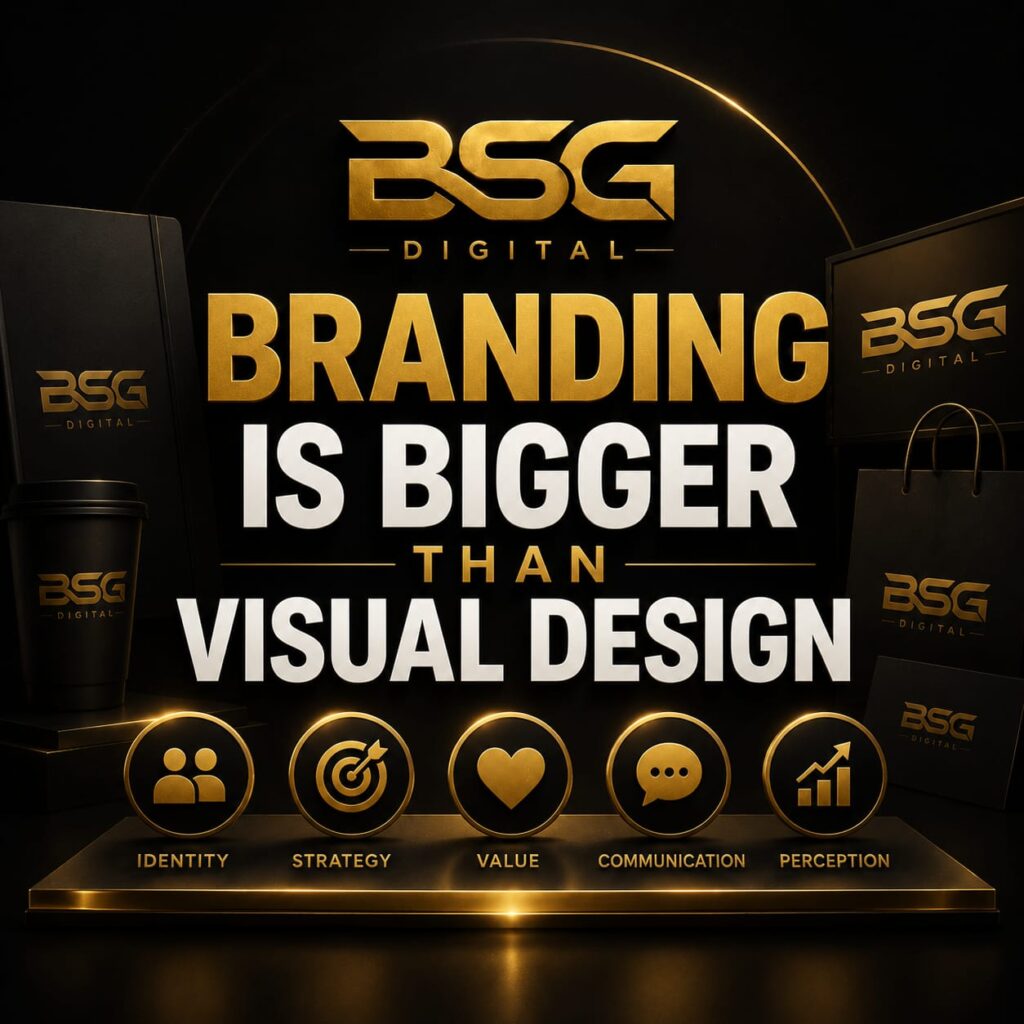
When I help businesses improve their online presence, I always explain that branding goes far beyond colors and graphics.
A strong brand includes:
- A clear mission
- Consistent messaging
- A unique voice
- Reliable customer service
- Positive customer experiences
- A trustworthy reputation
When all of these work together, people start remembering the business for more than its appearance.
Branding vs. Logo: What’s the Difference?
Many people use these terms interchangeably, but they are different.
A logo is a visual symbol.
A brand is the complete experience people have with a business.
Think of it this way. A logo introduces the business. Branding gives customers a reason to stay.
That’s why companies with ordinary-looking logos can still become household names. They consistently deliver value and create positive experiences.
Why Branding Matters More Than Ever
Customers have endless choices today. If two businesses offer similar products, people often choose the one they trust more.
Many business owners still ask, “Is branding only a logo?” My answer is always no. A logo may help people recognize a business, but it cannot build trust on its own.
Trust doesn’t appear overnight. It grows through consistent communication, quality service, honest messaging, and positive customer experiences. That’s why understanding branding beyond a logo is so important for any business that wants long-term success.
I also believe that how branding differs from logo design is something every entrepreneur should understand. A logo is just one visual element, while branding reflects the entire customer experience.
When people ask me what makes a strong brand identity, I explain that it comes from a clear purpose, consistent messaging, memorable experiences, and genuine customer relationships. These are the reasons businesses need branding, not just a logo, if they want customers to remember and trust them.
If you’re looking for a complete guide to branding vs logo, the most important lesson is simple: people may notice your logo first, but they’ll return because of the experience your brand delivers.
A Simple Example
Imagine two coffee shops.
Both have attractive logos.
The first shop serves excellent coffee, greets customers warmly, and responds quickly to feedback.
The second shop has stylish branding materials but poor service.
Which one would you visit again?
Most people would choose the first. The logo may attract attention, but the experience earns loyalty.
That’s the real meaning of branding.
How I Build a Strong Brand
Over the years, I have learned that a strong brand doesn’t happen by accident. It grows through consistent effort and clear communication. Here are the steps I always recommend.
1. Know Your Purpose
Before creating marketing materials, I ask one simple question:
Why does my business exist?
The answer guides every decision I make. A clear purpose helps customers understand what my business stands for.
2. Understand My Audience
I cannot speak to everyone.
Instead, I focus on the people I want to help. I learn about their needs, challenges, and expectations. This makes my message more relevant and easier to understand.
3. Keep Everything Consistent
Consistency builds familiarity.
I use the same tone, colours, fonts, and messaging across my website, social media, and marketing materials. When customers see the same style everywhere, they begin to recognize my business quickly.
4. Deliver a Great Experience
A promise means very little if I fail to keep it.
Fast responses, helpful support, quality products, and honest communication all contribute to a positive experience. Happy customers often become repeat customers.
5. Listen to Feedback
No business is perfect.
I pay attention to reviews and customer suggestions because they help me improve. Sometimes the smallest change creates the biggest difference.
Common Branding Mistakes I Often See
Many businesses invest heavily in design but forget everything else.
Some common mistakes include:
- Focusing only on a logo.
- Using different messages across platforms.
- Ignoring customer feedback.
- Copying competitors instead of developing a unique identity.
- Promising more than they can deliver.
These mistakes make it difficult for customers to trust a business.
Can a Small Business Build a Great Brand?
Absolutely.
A large budget is helpful, but it isn’t required.
Some of the strongest brands started as small local businesses. They earned loyal customers by providing excellent service, communicating honestly, and delivering consistent quality.
People remember how a business treats them far more than how expensive its logo looks.
My Advice for Business Owners
If I had to give one piece of advice, it would be this:
Don’t spend all your time choosing the perfect logo while ignoring the customer experience.
A beautiful design may attract attention for a moment, but trust keeps people coming back.
Every email, phone call, social media post, and customer interaction becomes part of the brand people remember.
If you’d like to explore this topic further, I also recommend reading my related guide on branding, which explains why a business is much more than its visual identity: https://din-studio.com/branding-is-not-just-a-logo/
Frequently Asked Questions
Is a logo enough to build a successful business?
No. A logo helps customers recognize a business, but long-term success depends on trust, quality, communication, and customer experience.
Why do customers remember certain brands?
People often remember how a business made them feel. Positive experiences create stronger memories than visual design alone.
Can branding increase customer loyalty?
Yes. When customers trust a business and enjoy consistent experiences, they are much more likely to return and recommend it to others.
Should I change my logo regularly?
Usually, no. A logo should remain recognizable. Small updates may be useful over time, but frequent changes can confuse customers.
Final Thoughts
If you want people to remember your business for the right reasons, focus on building meaningful relationships instead of relying only on visual design. Is branding only a logo? My answer is no. A logo is an important part of a business, but it cannot define the entire brand on its own. Understanding branding beyond a logo helps create trust, recognition, and lasting customer loyalty. Once I understood how branding differs from logo design, I realized what makes a strong brand identity goes far beyond colours, fonts, or symbols. That’s also why businesses need branding not just a logo if they want long-term success. I hope this complete guide to branding vs logo helps you see the bigger picture and build a brand that people genuinely remember.


