How to Create Brand Guidelines: A Complete Step-by-Step Guide 2026
Intudaction
A strong brand is more than a logo, colour palette, or attractive website. It is the complete experience people have when they interact with your business. From your website and social media posts to advertisements and customer communications, every element should feel connected and consistent.
This is where brand guidelines become important. They provide a clear framework for how your business should look, sound, and communicate across different channels. A well-defined brand style guide also helps employees, designers, marketers, content writers, and external agencies understand exactly how to represent your brand.
But how to create brand guidelines that are actually useful and easy to follow?
In this guide, we will explain creating brand guidelines step by step, including what should brand guidelines include, how to organise your brand identity guidelines, and common mistakes to avoid. We will also explain how a simple brand guideline template can help you keep your branding consistent as your business grows.
Whether you are launching a new business, refreshing an existing brand, or simply trying to create more consistency across your marketing, these practical steps can help you build clear and effective brand guidelines.
What Are Brand Guidelines?
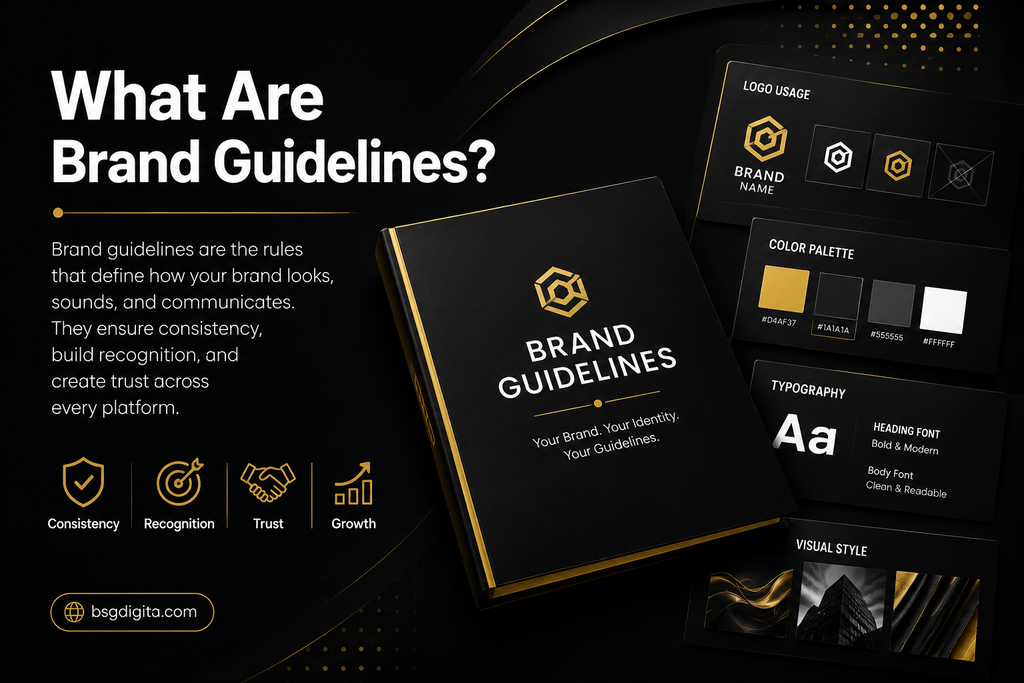
Brand guidelines are a set of rules that explain how a business should present and communicate its brand. They establish clear standards for visual identity, messaging, design, and communication. Understanding these guidelines is also an important first step when learning how to create brand guidelines for your business.
A brand style guide can explain everything from how your logo should be used to which colours, fonts, images, and words represent your business. These guidelines help maintain a consistent identity across different platforms and marketing channels.
Depending on the size and needs of your business, what should brand guidelines include may vary. However, most brand identity guidelines cover:
- Brand mission and vision
- Core values
- Brand positioning
- Logo usage
- Brand colours
- Typography
- Brand voice and tone
- Photography and imagery
- Graphic elements
- Messaging
- Marketing applications
- Do’s and don’ts
A brand guideline template can make creating brand guidelines easier by providing a clear structure for organising these elements.
The main purpose is simple: to maintain consistency across every customer touchpoint.
For example, imagine that your website uses a professional colour palette and typography, but your social media posts use completely different colours and fonts. Your audience may find it difficult to connect these different experiences to the same company.
Clear brand guidelines help prevent this problem by giving your team a consistent framework for representing your brand.
Why Are Brand Guidelines Important?
Before learning how to create brand guidelines, it is important to understand why they matter for your business. Creating brand guidelines gives your team a clear direction and makes it easier to represent your brand consistently across different marketing channels.
Build a Consistent Brand Identity
Consistency makes your brand easier to recognise.
When your logo, colours, typography, imagery, and messaging follow the same standards, customers begin to associate those elements with your business. Clear brand identity guidelines help ensure that your visual and communication elements work together across every platform.
Over time, this consistency can strengthen brand recognition and make your business more memorable.
Improve Brand Credibility
A consistent brand often appears more professional and trustworthy.
When customers see the same visual identity and communication style across your website, social media, emails, and advertisements, your business can create a more organised and reliable impression.
A well-defined brand style guide can also help your team maintain the same professional standard whenever they create new content or marketing materials.
Make Marketing More Efficient
Without clear guidelines, your team may spend time deciding which fonts, colours, images, or messaging to use for every new project.
A brand guideline template can provide a simple structure for documenting these elements in one place. This gives your team clear answers in advance and makes content creation and design more efficient.
It is especially useful when several people are working on the same brand.
Help Teams Work Consistently
As a business grows, more people may become responsible for creating brand materials.
A designer may create social media graphics, a content writer may write website copy, and a marketing team may create advertisements. Without clear standards, each person may represent the brand slightly differently.
Well-organised brand guidelines give everyone the same reference point and help maintain consistency across different projects.
Create a Better Customer Experience
Customers may interact with your business through several channels before making a decision.
They might discover you through Google, visit your website, follow your social media account, and later receive an email. If the branding feels different on each platform, it can create an inconsistent experience.
Understanding what should brand guidelines include can help you create a clear system for maintaining the same visual identity and communication style across these touchpoints.
A consistent brand creates a more connected customer experience and helps people recognise your business wherever they interact with it.
What Should Brand Guidelines Include?
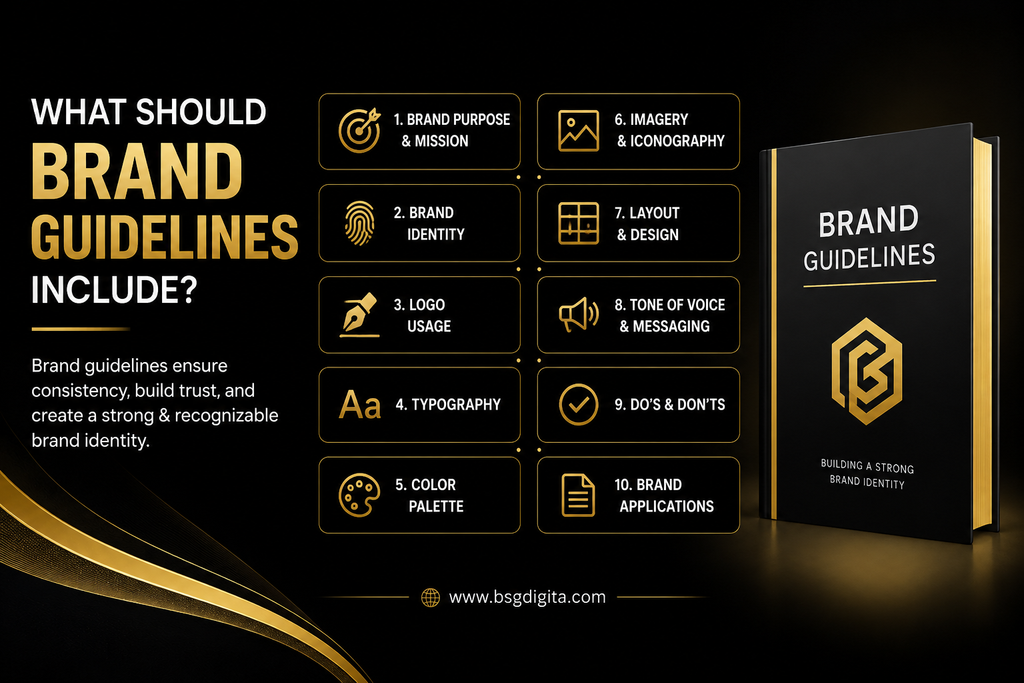
Before learning how to create brand guidelines, it is useful to understand the main elements that make a brand clear, consistent, and easy to manage. A well-structured brand style guide helps businesses maintain the same visual identity and communication style across different platforms.
A complete brand guideline template can cover:
- Brand identity
- Mission and values
- Brand positioning
- Logo guidelines
- Colour palette
- Typography
- Brand voice and tone
- Photography and imagery
- Graphic elements
- Design principles
- Brand applications
- Do’s and don’ts
These elements form the foundation of effective brand identity guidelines and help ensure that every part of your brand works together consistently.
The exact structure will depend on your business. A small company may only need a concise document covering its visual identity and communication style, while a larger organisation may need detailed guidelines for multiple departments, markets, products, and marketing channels.
If you are wondering what should brand guidelines include, the answer depends on what your team needs to represent the brand consistently. The goal of creating brand guidelines is not to create the longest possible document. Instead, focus on building a clear and practical guide that your team can easily understand and use.
How to Create Brand Guidelines Step by Step
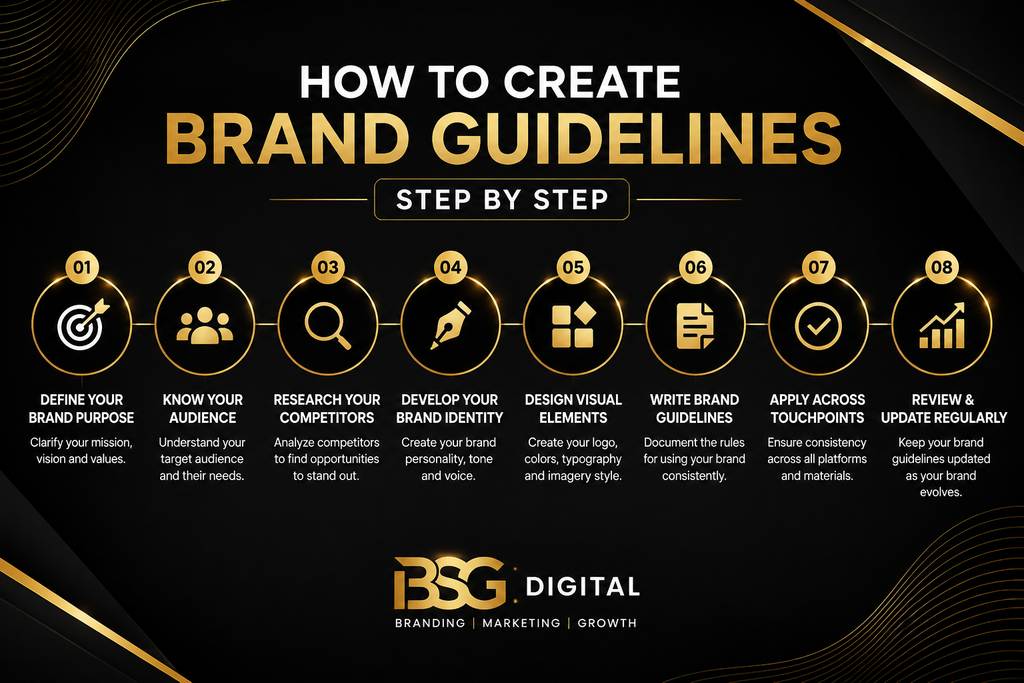
Now let’s look at how to create brand guidelines for your business. A well-structured set of guidelines can help your team maintain a consistent identity across every platform, from your website and social media to advertising and other marketing materials.
The process of creating brand guidelines starts with understanding your brand and then documenting the visual and communication elements that make it recognisable.
Define Your Brand Identity
The first step in creating brand guidelines is to define what your brand represents.
Before choosing colours or designing your logo, you need to understand the foundation of your business. Your brand identity should reflect who you are, what you offer, and how you want customers to perceive you.
Start by defining:
- Mission
- Vision
- Core values
- Target audience
- Brand personality
- Unique selling proposition
- Brand purpose
Your mission explains what your business does and why it exists. Your vision describes where you want the business to go in the future, while your values explain the principles that guide your decisions.
You should also define your brand personality. Do you want your business to appear professional, friendly, innovative, trustworthy, premium, creative, or approachable?
These decisions will influence everything that comes later, including your visual identity and communication style.
For example, a financial services company may want to communicate trust and professionalism, while a creative agency may prefer a more bold and energetic personality.
Establish Your Brand Positioning
Your brand positioning explains how you want your business to be perceived in the market.
Start by understanding your target audience and competitors. A clear position can help you communicate what makes your business different and why customers should choose you.
Ask yourself:
- Who are your ideal customers?
- What problems do they have?
- What does your business offer?
- What makes your business different?
- Why should customers choose you?
- What do you want customers to remember about your brand?
Your positioning should clearly communicate your value.
For example, instead of simply saying that you provide digital marketing services, your positioning might focus on helping small businesses improve their online visibility and generate sustainable organic growth.
Once your positioning is clear, it becomes easier to create your visual identity, messaging, and overall brand identity guidelines.
Create Your Logo Guidelines
Your logo is one of the most recognisable elements of your brand. However, having a logo is not enough. You also need to explain how it should be used across different marketing materials.
Your logo guidelines should include:
- Primary logo
- Secondary logo
- Logo variations
- Minimum size
- Clear space
- Approved backgrounds
- Logo placement
- Incorrect usage
You should also show examples of what people should not do with your logo.
For example, the logo should not be stretched, rotated, distorted, recoloured without permission, or placed on a background where it becomes difficult to see.
Clear examples make these rules easier for designers, marketers, and other team members to follow.
Choose Your Brand Colours
Colours play an important role in visual brand recognition. They can influence how people perceive your business and help customers identify your brand across different channels.
Your brand guidelines should clearly define which colours your business uses and how they should be applied.
A typical colour system may include:
- Primary colours
- Secondary colours
- Accent colours
- Background colours
- HEX codes
- RGB values
- CMYK values
You should also explain how each colour should be used.
For example, your primary colour may be used for major brand elements, while secondary colours support graphics, backgrounds, or other visual elements.
Do not choose colours simply because they look attractive. Consider how they support your brand personality and whether they work across different digital and print environments.
Accessibility should also be considered. Text and background combinations should provide enough contrast to remain readable.
Define Your Typography
Typography is another important part of your visual identity. The fonts you choose can influence how your brand looks, feels, and communicates.
Your typography guidelines should define:
- Primary typeface
- Secondary typeface
- Heading font
- Body font
- Font weights
- Font sizes
- Line spacing
- Text hierarchy
For example, you might use a bold font for major headings and a simple, highly readable font for body text.
You should also explain how typography should be used across different platforms. A font that works well in print may not always be the best option for websites or other digital applications.
Keeping typography rules simple can help your team create consistent designs without unnecessary confusion.
Define Your Brand Voice and Tone
Your brand is not only about how it looks. It is also about how it communicates with your audience.
Your brand voice represents your consistent communication personality, while your tone can change depending on the situation.
For example, your brand voice might be professional, friendly, and helpful. However, the tone used in a promotional campaign may be more energetic, while customer support communication may be more empathetic and reassuring.
Your brand voice and tone guidelines can include:
- Preferred communication style
- Sentence structure
- Level of formality
- Words to use
- Words to avoid
- Communication principles
- Examples of on-brand content
- Examples of off-brand content
Providing real examples is particularly useful. Instead of simply saying, “Keep the tone friendly,” show your team what a friendly sentence actually looks like.
This makes your brand style guide much easier to understand and apply consistently.
Establish Your Visual Style
Your visual identity should include more than your logo, colours, and typography.
You should also establish standards for other visual elements that contribute to your overall brand experience.
These may include:
- Photography
- Illustrations
- Icons
- Patterns
- Shapes
- Graphics
- Image treatments
- Layouts
For example, your brand may use natural photography with minimal editing, or it may prefer bold illustrations and modern graphics.
Documenting these preferences helps designers create materials that look like they belong to the same brand.
The goal is to make your brand recognisable even when the logo is not immediately visible.
Create Brand Application Examples
One of the most effective ways to make your brand guidelines useful is to show how the rules work in real situations.
Include examples of your brand across different channels, such as:
- Website pages
- Social media posts
- Email newsletters
- Online advertisements
- Business cards
- Presentations
- Brochures
- Packaging
- Sales materials
For example, instead of simply showing your brand colours, show how those colours are used in a social media graphic, website section, or call-to-action button.
Real-world examples help employees and external partners understand how individual brand elements work together.
They also make your guidelines easier to follow when someone needs to create a new marketing asset.
Document Everything in One Brand Guideline
Once your brand identity has been established, bring everything together into one organised document.
If you are wondering what should brand guidelines include, a simple structure could look like this:
- Brand overview
- Mission and vision
- Core values
- Brand positioning
- Logo guidelines
- Colour palette
- Typography
- Brand voice and tone
- Imagery
- Graphic elements
- Brand applications
- Do’s and don’ts
You can create your brand guideline template as a PDF, presentation, online document, or dedicated brand portal.
The format is less important than accessibility. Your team should be able to find the information they need quickly and understand how to apply it.
A good guideline should work as a practical reference rather than simply being a document that looks professional.
Share and Maintain Your Brand Guidelines
Creating brand guidelines is not the end of the process. You also need to make sure people actually use them.
Share the guidelines with everyone involved in representing your brand, including:
- Employees
- Designers
- Content writers
- Social media managers
- Marketing teams
- Freelancers
- External agencies
Keep the latest version in an easily accessible location so everyone can work from the same information.
You should also review your guidelines when your business changes.
A brand may evolve as its audience, products, services, or market position changes. Updating your guidelines helps maintain consistency while allowing the brand to grow.
Regularly reviewing your brand identity guidelines can also help you identify areas where your visual identity or communication style may need improvement.
The goal of creating brand guidelines is not to restrict creativity. It is to give your team a clear foundation so every new piece of content feels like part of the same brand.
Brand Guidelines vs. Brand Style Guide: What’s the Difference?
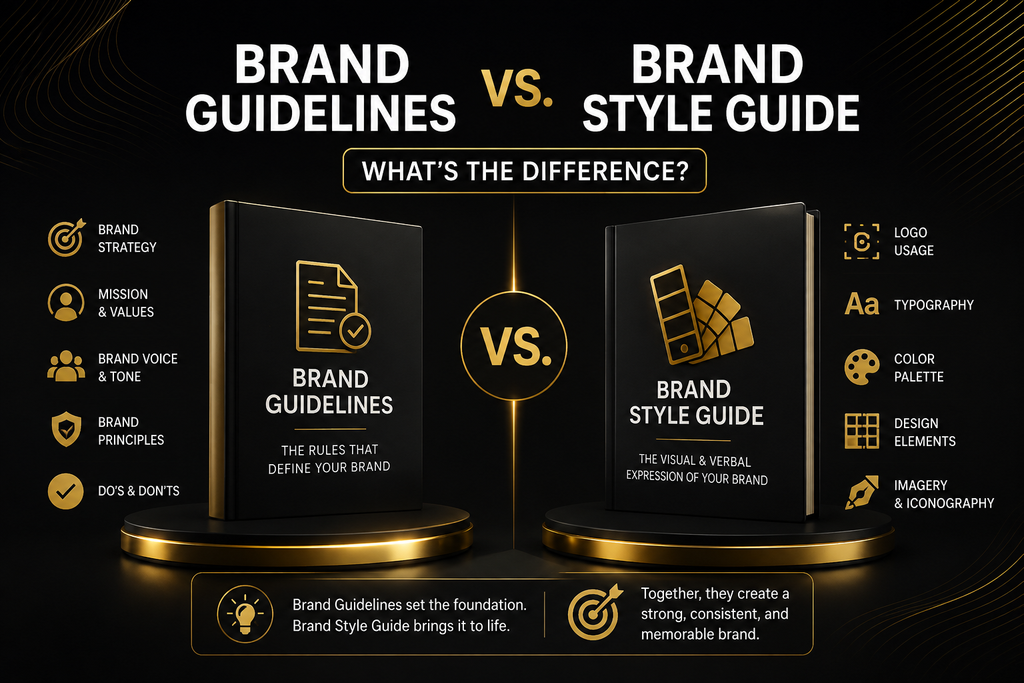
The terms brand guidelines and brand style guide are often used interchangeably, but they can have slightly different meanings. When creating brand guidelines, it is important to understand how these terms relate to your overall brand identity.
Brand guidelines may cover the broader identity of a business, including its mission, values, positioning, visual identity, messaging, and communication standards. In comparison, a brand style guide often focuses more on visual and communication elements such as colours, fonts, logo usage, imagery, and writing style.
These elements are also an important part of your brand identity guidelines and can help you understand what should brand guidelines include. If you’re learning how to create brand guidelines, you can organise these elements into a clear brand guideline template that your team can easily follow.
There is no universal definition, as different businesses and agencies may use these terms differently. The most important thing is to create a clear system that explains how your brand should be represented consistently.
Common Brand Guideline Mistakes to Avoid
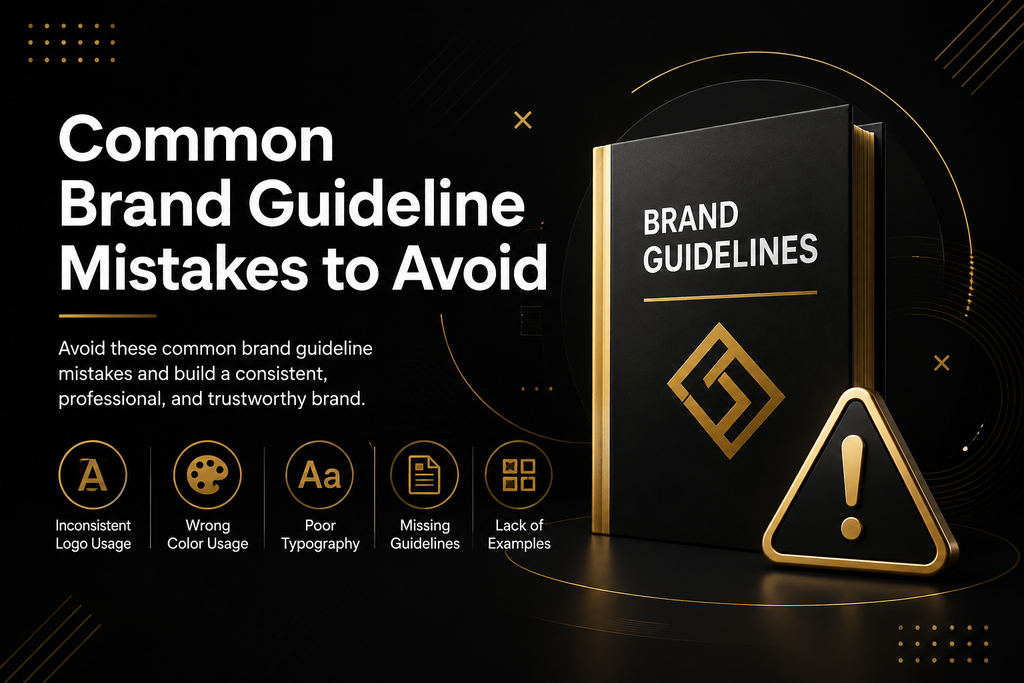
Creating brand guidelines can help your business maintain a consistent and professional identity across different channels. However, if your brand guidelines are unclear or difficult to use, they can create unnecessary confusion.
If you are learning how to create brand guidelines, avoiding these common mistakes can help you build a more practical and effective brand style guide.
Making the Guidelines Too Complicated
Your guidelines should make branding easier, not harder.
Avoid filling your brand guideline template with unnecessary rules that your team may struggle to remember or apply. Focus on the standards that actually affect how your brand is represented.
Focusing Only on Visual Elements
A logo and colour palette are important parts of your brand identity guidelines, but they do not represent the entire brand.
Your guidelines should also cover your brand voice, tone, messaging, and communication style. This helps ensure your brand looks and sounds consistent across different platforms.
Not Including Examples
Written rules can sometimes be difficult to understand without context.
Whenever possible, include examples of correct and incorrect usage. Clear visual examples can make your brand style guide easier for designers, marketers, and other team members to follow.
Creating Guidelines Nobody Uses
Even the most detailed brand guidelines will not be effective if your team cannot easily find or understand them.
Keep the document organised, practical, and accessible. Make sure everyone involved in representing your brand knows where to find the guidelines and how to use them.
Forgetting Digital Channels
Your brand exists across more than printed materials.
When creating brand guidelines, make sure you cover important digital channels such as your website, social media, email marketing, and digital advertising. This helps maintain a consistent brand experience wherever customers interact with your business.
Never Updating the Guidelines
Your brand may change as your business grows.
If your visual identity, products, target audience, or messaging changes, your brand identity guidelines should be updated as well. Regular reviews can help keep your guidelines relevant and ensure they continue to support your overall brand strategy.
How Long Should Brand Guidelines Be?
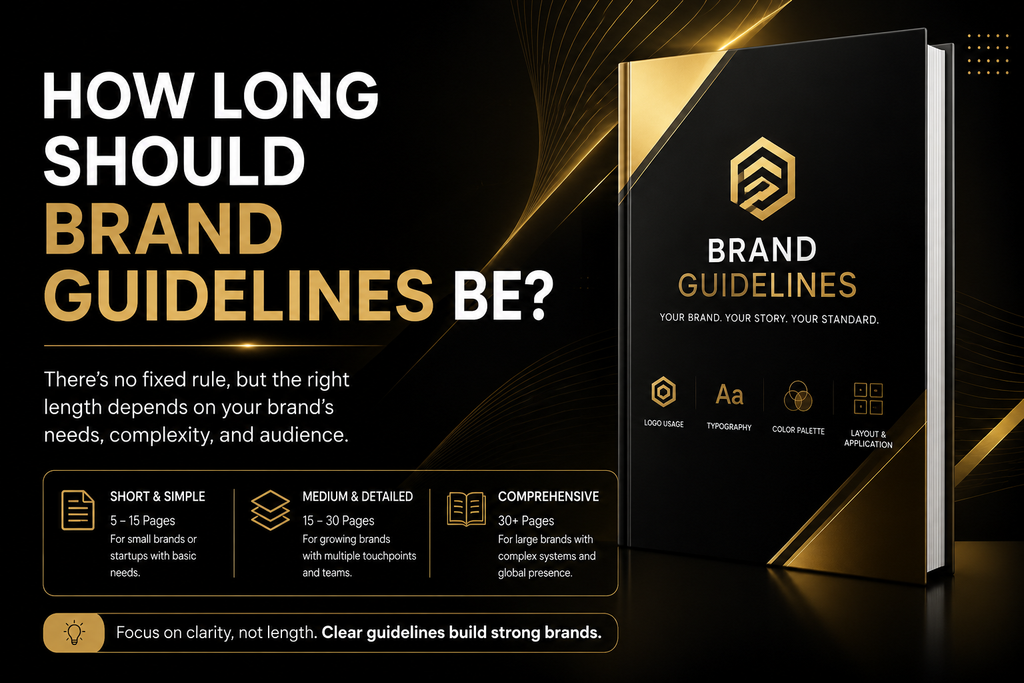
There is no fixed number of pages for brand guidelines. The appropriate length depends on the size, goals, and complexity of your business.
A small business may need a simple guide covering its logo, colours, typography, and communication style. A larger organisation may require detailed guidelines covering multiple products, departments, markets, and communication channels.
When creating brand guidelines, focus less on the number of pages and more on whether the document answers the practical questions your team may have. A useful brand style guide should make it easy for everyone to understand how the brand should look and communicate.
If you are wondering how to create brand guidelines that your team will actually use, keep the information clear, organised, and easy to apply.
A good brand guideline should be clear, useful, and easy to follow.
Brand Guidelines Examples: What Should You Look For?
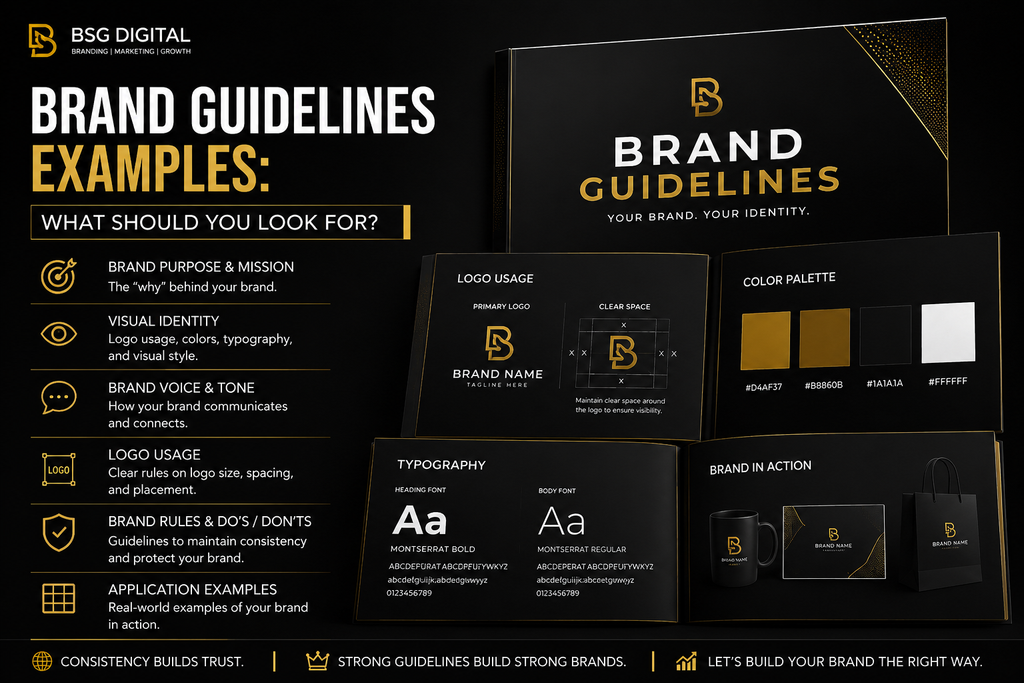
Looking at professional brand guidelines examples can help you understand how successful brands organise and present their identity.
When reviewing different examples, look for:
- Clear logo rules
- Defined colour systems
- Typography standards
- Brand voice and tone
- Photography style
- Graphic elements
- Layout principles
- Real-world applications
- Do’s and don’ts
These elements are important because effective brand identity guidelines should explain more than just how a logo should look.
The purpose is not to copy another company’s branding. Instead, use different examples to understand how brands turn creative decisions into practical rules that their teams can follow consistently.
What to Include in a Brand Guidelines Template
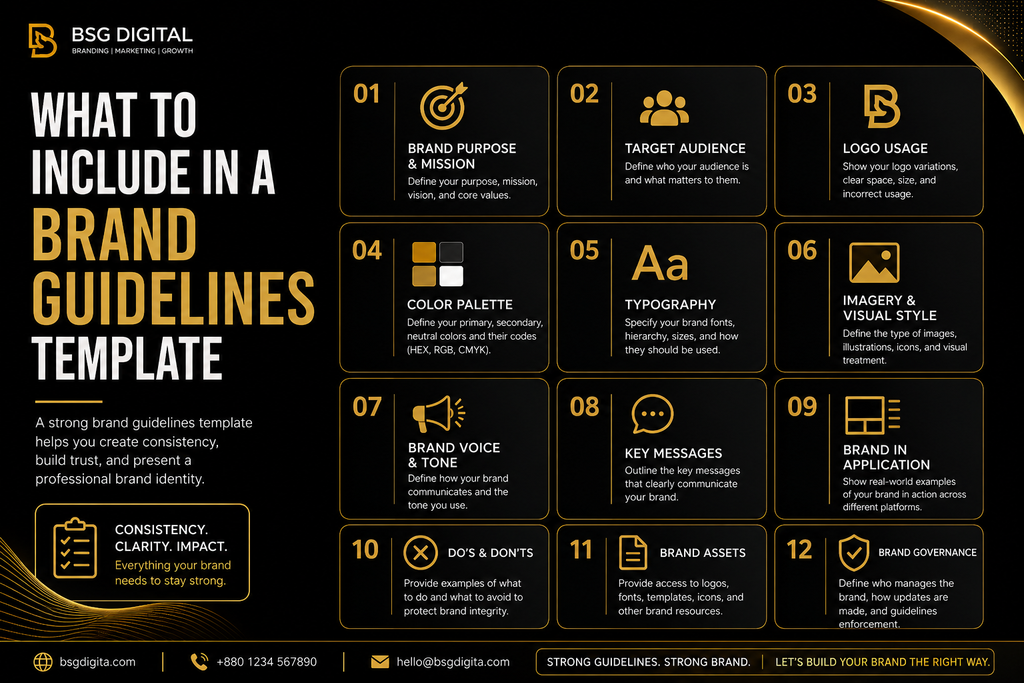
If you are creating brand guidelines for the first time, a brand guideline template can help you organise the most important information.
A simple structure can include the following sections:
Brand Overview
Explain who the brand is, what it does, who it serves, and what it stands for. This gives readers a clear understanding of the brand before they move into the visual and communication guidelines.
Mission and Values
Define the company’s purpose and the principles that guide its decisions. These elements provide the foundation for the overall brand identity.
Logo
Include approved logo versions, clear space, minimum size, placement rules, and examples of incorrect logo usage.
Colours
List your primary and secondary colours along with their HEX, RGB, and CMYK values. You can also explain where each colour should be used.
Typography
Define your selected fonts, sizes, weights, and hierarchy. This helps maintain a consistent visual style across different marketing materials.
Voice and Tone
Explain how the brand communicates with its audience. Include examples of preferred language, sentence style, and words or phrases to avoid.
Imagery
Describe the photography, illustrations, icons, and overall visual style that should be used across your marketing materials.
Graphic Elements
Document patterns, shapes, icons, and other supporting design elements that contribute to the brand’s visual identity.
Applications
Show how the brand should appear across websites, social media, advertisements, presentations, email, and other important marketing channels.
Do’s and Don’ts
Include practical examples showing what users should and should not do when applying the brand guidelines.
If you are asking what should brand guidelines include, these sections provide a strong starting point. You can expand or simplify them based on your business needs.
A well-structured brand guideline template makes creating brand guidelines easier and gives your team a clear reference for maintaining a consistent brand identity.
Frequently Asked Questions About Brand Guidelines
What are brand guidelines?
Brand guidelines are a set of rules that explain how a business should look, sound, and communicate. They help maintain consistency across different marketing channels and customer touchpoints.
How do I create brand guidelines?
Start by defining your brand identity, mission, values, target audience, and positioning. Then document your logo, colours, typography, voice, tone, imagery, and design elements. Finally, bring everything together into an organised and accessible document.
What should a brand guideline document include?
A brand guideline document can include your brand mission, values, positioning, logo rules, colour palette, typography, voice and tone, imagery, graphic elements, applications, and do’s and don’ts.
What is the difference between brand guidelines and a brand style guide?
Brand guidelines can cover the broader identity and standards of a business, while a brand style guide often focuses more on visual and communication standards. However, the terms are commonly used interchangeably.
How many pages should brand guidelines be?
There is no standard length. A small business may only need a few pages, while a large organisation may require a detailed document. The priority should be usefulness rather than page count.
Do small businesses need brand guidelines?
Yes. Small businesses can benefit from brand guidelines because they help maintain consistency and make it easier to manage branding as the business grows.
How often should brand guidelines be updated?
There is no fixed schedule. However, you should review your guidelines whenever there are significant changes to your brand identity, products, target audience, positioning, or communication strategy.
Can I create brand guidelines myself?
Yes. You can create basic brand guidelines using design or document tools. If your business has a complex brand identity or multiple teams and marketing channels, working with a professional branding or design team may help create a more comprehensive system.
Conclusion
Creating a strong and consistent brand starts with knowing how to create brand guidelines that clearly define your brand identity. From your logo, colours, and typography to your voice, tone, and imagery, every element should work together to create a recognisable brand.
Creating brand guidelines is not just about documenting design rules. It gives your team a practical system for maintaining consistency across every channel and customer touchpoint. A well-structured brand style guide can also make it easier for everyone to follow the same visual and communication standards.
Whether you are a small business building your first identity or an established company looking to improve consistency, your brand guidelines should always be clear, practical, and easy to use. Start with the elements that matter most, document them clearly, and provide real examples that your team can easily follow.
If you are unsure what should brand guidelines include, a simple brand guideline template can help you organise everything from your logo and colour palette to typography, voice, and imagery. At the same time, strong brand identity guidelines can ensure your brand remains consistent as your business grows.
Review and update your guidelines when your brand evolves. With the right approach, creating brand guidelines can help strengthen brand recognition, support your marketing efforts, and create a more professional experience for your customers.


