Why Sleep is Needed
Why Sleep Is Needed: The Biology Behind Rest and Recovery
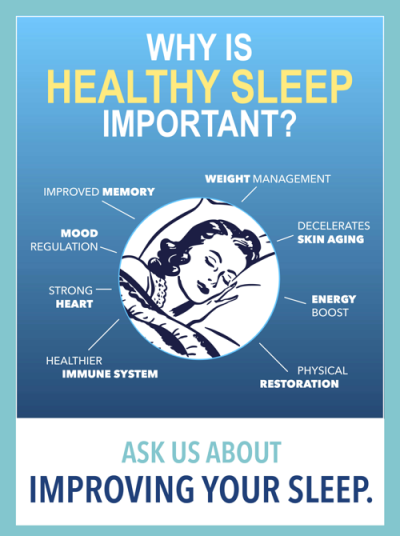
Sleep is an essential biological function that allows your mind and body to recharge. It is vital for survival, supporting critical processes like memory consolidation, immune system maintenance, toxin clearance, and cellular repair. Understanding why sleep is needed goes far beyond simply feeling rested — it’s about recognizing sleep as an active, essential process that keeps nearly every system in your body functioning properly.
Despite how often sleep gets sacrificed for work, entertainment, or busy schedules, the science is clear: the body doesn’t just rest during sleep, it repairs, organizes, and regenerates. Exploring why sleep is needed reveals just how much biological work happens while we’re unconscious — and why consistently skipping it carries real consequences.
The Core Biological Reasons Why Sleep Is Needed
Sleep isn’t a passive state of inactivity. It’s a highly active biological process during which the brain and body carry out functions that simply cannot happen efficiently while you’re awake. This is the foundation of why sleep is needed on a nightly basis, not just occasionally.
Brain Maintenance & Memory Consolidation
During sleep, the brain reorganizes and catalogs new information, strengthening the neural connections tied to what you learned or experienced that day. This process, known as memory consolidation, is one of the clearest examples of why sleep is needed for cognitive function. Without adequate sleep, the brain struggles to properly store and retrieve information, which is why memory, focus, and decision-making all suffer noticeably after a poor night’s rest.
Alongside memory consolidation, sleep also plays a critical role in clearing out accumulated toxins through the glymphatic system — a waste-clearance pathway that becomes significantly more active during deep sleep. This system flushes out metabolic byproducts that build up in the brain throughout the day, including proteins linked to long-term cognitive decline. Essentially, sleep functions as a nightly cleaning cycle for the brain.
Immune System Maintenance
Another major reason why sleep is needed is its direct role in immune function. During sleep, the body produces and releases cytokines — proteins that help fight infection, inflammation, and stress. Chronic sleep deprivation reduces the production of these protective proteins, which is why people who consistently sleep too little tend to get sick more often and recover more slowly when they do.
Sleep also supports the activity of T-cells, a type of immune cell responsible for identifying and destroying infected cells. Research has shown that even a single night of insufficient sleep can measurably weaken immune response, underscoring how closely sleep and physical health are connected.
Cellular Repair and Physical Recovery
Beyond the brain and immune system, sleep is when much of the body’s physical repair work takes place. During deeper stages of sleep, the body increases production of growth hormone, which supports tissue repair, muscle recovery, and cellular regeneration. This is one of the most tangible reasons why sleep is needed for anyone engaged in physical activity, exercise, or recovering from illness or injury — without sufficient sleep, the body simply doesn’t have adequate time to repair itself.
How Sleep Affects Daily Functioning and Long-Term Health
Understanding why sleep is needed also means looking beyond the biological mechanisms and examining how sleep — or the lack of it — shows up in everyday life and long-term health outcomes.
Cognitive Performance and Emotional Regulation
Sleep deprivation doesn’t just make you feel tired — it measurably impairs cognitive performance. Attention span, reaction time, problem-solving ability, and decision-making all decline after inadequate sleep, even after just one poor night. This is another critical reason why sleep is needed for anyone managing demanding work, studies, or daily responsibilities.
Emotional regulation is equally affected. Sleep helps the brain process emotional experiences and regulate mood-related brain activity. Chronic sleep deprivation has been consistently linked to increased irritability, heightened stress reactivity, and a greater risk of anxiety and mood-related difficulties — reinforcing why sleep is needed for mental and emotional stability, not just physical health.
Long-Term Health Risks of Chronic Sleep Deprivation
While occasional short nights of sleep are generally manageable, chronic sleep deprivation carries more serious long-term risks. Research has linked consistently insufficient sleep to increased risk of cardiovascular issues, metabolic dysfunction, weakened immune response, and impaired cognitive function over time. This long-term picture is perhaps the most compelling argument for why sleep is needed as a consistent, non-negotiable part of a healthy lifestyle rather than something to catch up on occasionally.
How Much Sleep Do You Actually Need?
While individual needs vary slightly, most adults require between seven and nine hours of quality sleep per night to allow the brain and body to complete the processes described above. Consistently sleeping less than this — even by an hour or two — can gradually accumulate into what’s known as sleep debt, impairing memory, immune function, and physical recovery over time.
Understanding why sleep is needed also means recognizing that sleep quality matters as much as sleep quantity. Deep, uninterrupted sleep cycles allow the brain to move through essential restorative stages, including the deep sleep phase where most physical repair occurs and REM sleep, which plays a central role in memory processing and emotional regulation.
Making Sleep a Priority
Sleep is not a luxury or something to sacrifice when life gets busy — it’s a fundamental biological requirement, on par with proper nutrition and physical activity. From memory consolidation and toxin clearance to immune defense and cellular repair, the reasons why sleep is needed touch nearly every system in the body.
Recognizing sleep as an active, essential process — rather than simple downtime — can shift how it’s prioritized in daily life. Whether the goal is sharper focus, stronger immunity, faster physical recovery, or better emotional balance, the answer consistently points back to the same foundation: adequate, quality sleep, night after night.
This article is for general informational purposes and is not a substitute for professional medical advice. If you’re experiencing ongoing sleep difficulties, consider speaking with a healthcare provider.


