How to Develop a Brand Identity: A Complete Guide for Businesses in 2026

Introduction
In a crowded market, having a great product or service is only part of building a successful business. Customers also need a reason to recognize your business, trust it, and remember it when they are ready to buy. This is where a strong brand identity can make a real difference.
Your brand identity is more than a logo or a color palette. It includes the visual elements, messaging, personality, values, and experiences that shape how people recognize and perceive your business. A consistent identity also plays an important role in brand identity in marketing, helping your business communicate a clear and recognizable message across your website, social media, and other digital channels.
So, how to develop a brand identity that truly represents your business and connects with your target audience?
A well-developed identity can support branding for business growth by helping you stand out from competitors, build recognition, and create stronger customer relationships. In fact, understanding how branding builds trust can help businesses create an identity that feels reliable and authentic.
In this guide, I will walk you through the key steps to develop a professional, consistent, and memorable brand identity in 2026. You will also learn how to make a brand memorable and turn your brand identity into a valuable part of your long-term business strategy.
What Is Brand Identity?

Brand identity is the collection of visual and verbal elements a business uses to communicate who it is, what it stands for, and how it wants customers to perceive it. It plays an important role in brand identity in marketing because it gives businesses a consistent way to communicate with their target audience across different channels.
A strong brand identity can include:
- Brand name
- Logo
- Color palette
- Typography
- Photography and imagery
- Brand voice
- Messaging
- Tagline
- Packaging
- Customer experience
These elements should work together rather than feel disconnected. When your visual style, messaging, and customer experience communicate the same values, your business becomes easier to recognize and remember.
For example, if a company wants to be seen as modern and professional, its website, logo, colors, typography, content, and customer communication should all support that positioning. This consistency can also explain how branding builds trust and helps customers feel more confident when choosing a business.
A well-developed identity can also contribute to branding for business growth by helping a company stand out from competitors and create stronger connections with its target audience. If you are learning how to develop a brand identity, start by defining your purpose, understanding your customers, and creating a consistent visual and verbal identity.
Ultimately, how to make a brand memorable comes down to more than attractive design. A memorable brand combines a clear message, recognizable visuals, consistent communication, and a customer experience that people can connect with.
Why Is a Strong Brand Identity Important?

Before learning how to develop a brand identity, it is important to understand why a strong brand identity matters for your business. A well-defined identity helps customers recognize your business, understand what you offer, and build a stronger connection with your brand.
Builds Customer Trust
Customers are more likely to trust a business that presents itself professionally and consistently. When your visual identity, messaging, and customer experience remain consistent across your website, social media, advertisements, and other platforms, customers get a clearer picture of who you are.
This consistency creates familiarity, and familiarity can help strengthen trust. Understanding how branding builds trust can also help businesses create stronger relationships with their target audience.
Helps Your Business Stand Out
Most industries are highly competitive, and customers often have several businesses to choose from. A distinctive brand identity helps your business communicate what makes it different instead of looking like another company offering the same products or services.
Your goal should not simply be to look different. Your brand should communicate a clear reason for customers to choose you. This is an important part of branding for business growth, especially when you are competing in a crowded market.
Improves Brand Recognition
Think about the brands you can recognize without reading their full name. That recognition often comes from repeated exposure to consistent brand elements such as colors, typography, logos, imagery, messaging, and tone.
A clear and consistent identity makes your business easier to recognize across different platforms. It also helps you understand how to make a brand memorable so customers are more likely to remember your business when they need your products or services.
Supports Long-Term Business Growth
A strong brand identity gives your marketing efforts a consistent foundation. Whether you are creating an SEO campaign, publishing social media content, running advertisements, or launching a new product, your brand identity helps keep your communication aligned.
This is where brand identity in marketing becomes especially valuable. When your branding and marketing work together, your campaigns can communicate a more consistent message and create a unified customer experience.
Ultimately, learning how to develop a brand identity is an investment in how your business is recognized, trusted, and remembered. A clear identity can help you build stronger customer relationships and create a foundation for sustainable business growth.
How to Develop a Brand Identity Step by Step

Learning how to develop a brand identity starts with strategy, not simply with designing a logo. Your brand identity should reflect your business purpose, target audience, values, personality, and the experience you want to create for customers.
A logo is an important part of branding, but it is only one piece of the bigger picture. A successful identity brings your visual elements, messaging, and customer experience together in a consistent way.
Here are the key steps to help you develop a strong and memorable brand identity.
1. Define Your Brand Purpose
Start by asking yourself a simple question:
Why does your business exist?
Your brand purpose explains the bigger reason behind your business. It helps you understand what you want to achieve and what value you want to provide to customers.
Think about:
- What problem does your business solve?
- Who do you help?
- What value do you provide?
- What do you want customers to remember about you?
A clear purpose gives direction to your brand identity and helps you make consistent decisions as your business grows.
For example, a digital marketing company may focus on helping small businesses improve their online visibility and achieve sustainable growth. That purpose can influence its messaging, visual style, content, and customer experience.
This is an important part of branding for business growth because a clear purpose gives your brand a strong foundation.
2. Understand Your Target Audience
A strong brand identity should not be created only around what the business owner likes. It should also reflect the people you want to reach.
Before developing your identity, take time to understand your target audience and their expectations.
Research:
- Their needs
- Their problems
- Their goals
- Their buying behavior
- Their preferences
- Their expectations
- What influences their purchasing decisions
You can use customer feedback, surveys, interviews, online reviews, social media conversations, and competitor research to gather useful insights.
The better you understand your audience, the easier it becomes to create messaging and visual elements that feel relevant to them.
3. Research Your Competitors
Your competitors can tell you a lot about your market and help you identify opportunities to differentiate your business.
Look at how similar businesses present themselves online and analyze:
- Logos
- Colors
- Website design
- Brand messaging
- Content style
- Social media presence
- Positioning
- Customer reviews
The goal is not to copy what competitors are doing. Instead, look for common patterns and identify ways your business can communicate something different.
Ask yourself:
What can our business communicate or present differently?
Finding a clear point of difference can help you create a more unique identity and make your brand memorable.
4. Define Your Brand Positioning
Brand positioning explains where your business fits in the market and why customers should choose you over competitors.
A useful positioning statement should clarify:
Who you serve + what you offer + what makes you different + why it matters.
For example:
We help growing businesses improve their digital presence through strategic branding, SEO, and performance-focused digital marketing.
A clear position makes it easier to create consistent messaging across your website, social media, advertising, and other marketing channels.
It also helps your audience quickly understand what your business offers and why it is relevant to them.
5. Establish Your Brand Values
Your brand values represent the principles that guide your business and influence how you interact with customers.
Examples include:
- Trust
- Innovation
- Transparency
- Quality
- Creativity
- Customer focus
- Reliability
Choose values that genuinely reflect how your business operates. Do not select words simply because they sound professional.
Your customers should be able to see your values through your actions, communication, products, and customer service.
When your values match the customer experience, your brand becomes more credible. This is also an important part of how branding builds trust with your audience.
6. Develop Your Brand Personality
If your brand were a person, how would it communicate?
Would it be:
- Professional?
- Friendly?
- Bold?
- Innovative?
- Helpful?
- Minimalist?
- Energetic?
Your brand personality influences how you write, design, communicate, and interact with customers.
For example, a professional B2B company may use a clear and confident tone, while a lifestyle brand may use a more conversational and energetic style.
Choose a personality that fits both your target audience and your business positioning. The right personality can make your communication feel more human and help customers form a stronger connection with your brand.
7. Create Your Visual Brand Identity
Once you understand your strategy, you can start developing the visual side of your brand.
Your visual identity may include:
Logo
Your logo should be recognizable, professional, and appropriate for your business. It should also work well across different sizes, devices, and marketing materials.
Color Palette
Choose colors that support your brand personality and create a consistent visual experience.
Typography
Select fonts that are easy to read and match the overall style of your brand.
Imagery
Decide what types of photographs, illustrations, icons, and graphics represent your business.
Design Style
Create a consistent approach to layouts, spacing, shapes, and other visual elements.
The goal is not to make every design look exactly the same. Instead, every piece of content should feel like it belongs to the same brand.
A consistent visual identity can improve recognition and support brand identity in marketing across different digital channels.
8. Develop Your Brand Voice and Messaging
Visual identity is only one part of building a strong brand. Your words matter too.
Your brand voice defines how your business communicates with customers and helps create a recognizable personality through your content.
For example, your brand voice could be:
- Professional
- Clear
- Helpful
- Confident
- Friendly
- Educational
Once you define your voice, use it consistently across:
- Website content
- Blog posts
- Social media
- Emails
- Advertisements
- Product descriptions
- Customer support
Your messaging should clearly communicate what you do, who you help, and why customers should consider your business.
When your visual identity and messaging work together, customers can develop a clearer understanding of your brand.
9. Create Brand Guidelines
Once your identity is developed, document it in a clear set of brand guidelines.
Your guidelines can include:
- Logo usage
- Color codes
- Typography
- Image style
- Brand voice
- Messaging rules
- Design examples
- Social media guidelines
This becomes especially important as your business grows and more people begin creating content for your brand.
Without clear guidelines, your website may use one style while your social media uses another. Over time, these differences can weaken brand recognition and make your business harder to remember.
A simple brand guideline helps everyone communicate consistently and protects the identity you have worked to build.
10. Apply Your Brand Identity Consistently
Creating an identity is only the beginning. You need to apply it consistently across every customer touchpoint.
Consider your:
- Website
- Social media profiles
- Google Business Profile
- Email marketing
- Digital advertisements
- Blog content
- Business cards
- Packaging
- Presentations
- Customer service
Customers should feel that they are interacting with the same business regardless of where they discover you.
Consistent branding creates familiarity, strengthens recognition, and can help build customer confidence over time.
More importantly, consistency helps turn your brand identity into an experience rather than simply a collection of visual elements.
If your goal is to make your brand memorable, focus on creating the same clear and valuable experience at every stage of the customer journey.
How to Create a Memorable Brand Identity

A memorable brand identity does not need to be complicated. In many cases, how to make a brand memorable comes down to keeping your message clear, your visuals consistent, and your customer experience meaningful.
When you understand how to develop a brand identity, you can create a brand that is not only visually appealing but also easy for customers to recognize and remember.
Here are some practical ways to create a more memorable brand identity.
Keep Your Brand Message Clear
Your customers should quickly understand who you are, what you offer, and why your business matters.
Avoid trying to communicate too many ideas at once. Focus on the most important value your business provides and use that message consistently across your website, social media, content, and marketing campaigns.
A clear message makes your brand easier to understand and helps customers remember what makes your business different.
Use Distinctive Visual Elements
Your visual identity plays an important role in recognition.
Choose colors, typography, imagery, logo styles, and design elements that reflect your brand personality. These elements should work together to create a consistent visual experience.
A distinctive visual identity can help customers recognize your business even before they read your company name.
Create a Consistent Brand Voice
Your brand should sound recognizable wherever customers interact with it.
Whether you are writing a blog post, publishing a social media update, sending an email, or responding to a customer, your communication should maintain the same overall personality and tone.
Consistency in your brand voice can make your business feel more professional and trustworthy.
Tell a Meaningful Brand Story
People often connect with the story behind a business, not just its products or services.
Your brand story can explain why your business exists, what problem you want to solve, what you believe in, and how you help your customers.
A genuine story gives customers something meaningful to connect with and can make your brand easier to remember.
Focus on Customer Experience
Your brand is not limited to what customers see. It is also shaped by what they experience.
A professional website, helpful customer support, reliable service, clear communication, and a smooth buying process can all influence how people perceive your business.
This is also where how branding builds trust becomes important. When your message, visuals, and customer experience consistently deliver what you promise, customers have more reasons to trust your brand.
Common Brand Identity Mistakes to Avoid
Even businesses with great products or services can weaken their brand identity through poor branding decisions.
If you are learning how to develop a brand identity, understanding these common mistakes can help you build a stronger and more consistent brand from the beginning.
Treating the Logo as the Entire Brand
A logo is an important part of your visual identity, but it is not your entire brand.
Your brand also includes your values, personality, messaging, visual style, customer experience, and reputation.
A strong identity brings all of these elements together to create a consistent impression.
Copying Competitors
Researching competitors can help you understand your market, but copying their branding can make your business look unoriginal.
Instead, look for opportunities to communicate your own strengths and create a unique position.
Your goal should be to understand what competitors are doing and then find a better way to show what makes your business different.
Using Inconsistent Branding
Changing your colors, fonts, logo style, messaging, or tone from one platform to another can make your business difficult to recognize.
For example, if your website looks professional but your social media uses completely different colors and messaging, customers may not immediately connect the two as the same brand.
Consistent branding creates familiarity and makes your business easier to remember.
Ignoring Your Target Audience
A design may look attractive to you but still fail to connect with the people you want to reach.
Your brand identity should reflect your target audience’s needs, expectations, preferences, and interests.
This is particularly important for brand identity in marketing, because your branding influences how customers respond to your content, advertising, social media, and other marketing activities.
Changing Your Brand Identity Too Frequently
Building brand recognition takes time.
Constantly changing your logo, colors, messaging, or overall identity can confuse customers and make it harder for them to remember your business.
Instead of following every new design trend, make changes when there is a clear strategic reason.
A well-developed brand identity should be flexible enough to evolve while keeping its core personality and recognition intact.
Losing Sight of Business Growth
Your brand identity should support where your business is going, not just where it is today.
As your business grows, your branding should help you attract the right customers, communicate your value, and maintain a consistent experience across different channels.
This is why branding for business growth is more than a design decision. A strong identity can become a foundation for marketing, customer relationships, and long-term business success.
When you combine clear messaging, distinctive visuals, consistent communication, and a strong customer experience, you create a brand that people can recognize, trust, and remember.
How to Maintain Brand Consistency in 2026

Once you understand how to develop a brand identity, the next step is maintaining it consistently across every customer touchpoint. Digital platforms continue to evolve, but your core identity should always remain recognizable. Whether customers visit your website, browse your social media profiles, read your email campaigns, or see your advertisements, they should experience the same brand personality and message.
Maintaining consistency is one of the most effective ways how branding builds trust with customers. When people repeatedly see the same visuals, tone of voice, and messaging, they become more familiar with your business and are more likely to remember it.
This doesn’t mean every platform should publish identical content. Instead, your:
- Core values
- Brand personality
- Visual identity
- Brand voice
- Key messages
should remain consistent across all marketing channels.
A consistent brand identity in marketing helps businesses strengthen recognition, improve customer confidence, and support branding for business growth. You can always adapt your content to suit different platforms while ensuring your overall brand identity remains recognizable and professional.
Brand Identity Trends to Watch in 2026

As customer expectations continue to evolve, businesses must keep their branding strategies up to date. Understanding how to develop a brand identity also means adapting to new trends while staying true to your brand’s core values.
Here are some of the biggest branding trends shaping businesses in 2026.
Authentic Brand Communication
Modern customers expect brands to communicate honestly and transparently. Rather than trying to appear perfect, businesses should focus on sharing authentic stories, real experiences, and the values behind their brand. Authentic communication is one of the most effective ways how branding builds trust and creates lasting customer relationships.
Personalized Brand Experiences
Customers appreciate brands that understand their needs. Businesses can use customer insights and technology to deliver more personalized experiences while maintaining a consistent brand identity across every interaction.
AI-Assisted Creative Work
Artificial intelligence is transforming branding by helping businesses generate ideas, streamline creative workflows, and personalize marketing campaigns. However, the strategy, creativity, and personality behind your brand should always remain human-led.
Digital-First Branding
Today, your website, social media platforms, and digital content often create the first impression of your business. Building a strong brand identity in marketing ensures customers experience the same professional image wherever they interact with your brand.
Businesses that embrace these trends while maintaining consistency are more likely to succeed in branding for business growth and build stronger relationships with their audience.
How Do You Know If Your Brand Identity Is Working?
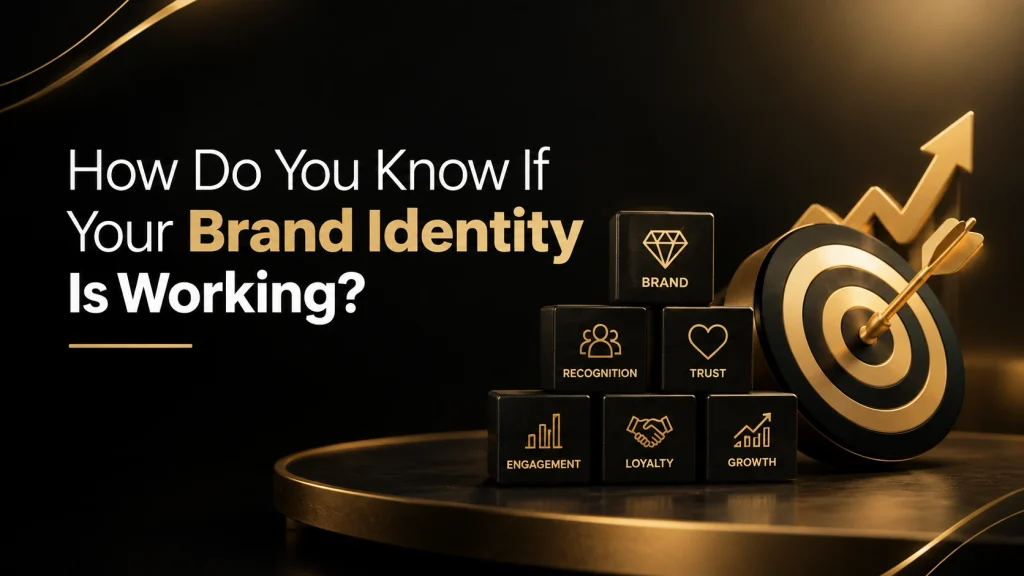
Creating a brand identity is only the beginning. After learning how to develop a brand identity, you should regularly evaluate whether your branding is producing measurable business results.
A successful brand identity should contribute to:
- Higher brand recognition
- Increased website traffic
- More direct traffic
- Better social media engagement
- Positive customer feedback
- Higher customer retention
- More repeat customers
- Improved conversion rates
- Increased brand mentions
You should also ask customers how they perceive your business. If they can quickly explain what your company does, what makes it unique, and why they trust your business, your branding is working effectively.
Another useful indicator is customer loyalty. When people return repeatedly, recommend your business to others, and engage with your content, it shows how branding builds trust over time.
Ultimately, the goal isn’t just to create attractive visuals it’s how to make a brand memorable through consistent experiences, meaningful messaging, and genuine customer connections. A well-developed brand identity supports stronger customer relationships, improves brand identity in marketing, and creates a solid foundation for branding for business growth.
Frequently Asked Questions
What is the difference between branding and brand identity?
Branding is the broader process of shaping how people perceive and experience a business. Brand identity refers to the specific visual and verbal elements a company uses to communicate who it is.
How long does it take to develop a brand identity?
The timeline depends on the size and complexity of the business. A basic identity may be developed relatively quickly, while a complete brand strategy, research process, visual system, and guidelines can take considerably longer.
What are the main elements of brand identity?
The main elements can include your logo, colors, typography, imagery, brand voice, messaging, tagline, personality, values, and customer experience.
Can a small business develop its own brand identity?
Yes. Small businesses can develop a strong identity by defining their audience, purpose, values, positioning, visual style, and communication approach. The key is to remain clear and consistent.
Why is brand consistency important?
Brand consistency makes your business easier to recognize and helps create a more professional and reliable customer experience across different platforms.
How often should a business update its brand identity?
There is no fixed schedule. A business should consider updating its identity when its audience, market position, products, or overall business direction changes significantly.
Final Thoughts
Learning how to develop a brand identity is about much more than choosing a logo or an attractive color palette. It starts with understanding your purpose, target audience, values, positioning, and the experience you want customers to have.
A strong identity brings all these elements together into a clear and consistent brand. It also plays an important role in brand identity in marketing, helping businesses create recognizable messaging and a consistent presence across websites, social media, advertising, and other digital channels.
Effective branding for business growth can help your company stand out from competitors, strengthen customer relationships, and create long-term value. When your visual identity, messaging, personality, and customer experience work together, your business becomes easier to recognize, trust, and remember.
Understanding how branding builds trust is also essential. Customers are more likely to connect with businesses that communicate consistently and deliver experiences that match their brand promise.
If you want to know how to make a brand memorable, focus on a clear message, distinctive visual elements, consistent communication, and meaningful customer experiences. In 2026, businesses have more opportunities than ever to connect with customers through digital channels, but a clear, authentic, and consistent identity can make all the difference.
At BSG Digital, we help businesses build stronger brands through strategic branding, creative design, SEO, and digital marketing solutions. If you are ready to create a brand identity that represents your business and supports long-term growth, explore BSG Digital.


